01
Public agencies
Build the conditions that help public servants stay, grow, and lead.

Rubescent / Public-sector systems design
Rubescent helps public-sector, municipal, K-12, and mission-driven nonprofit leaders see where talent loss is built into systems and redesign the conditions that support trust, opportunity, advancement, retention, and execution.
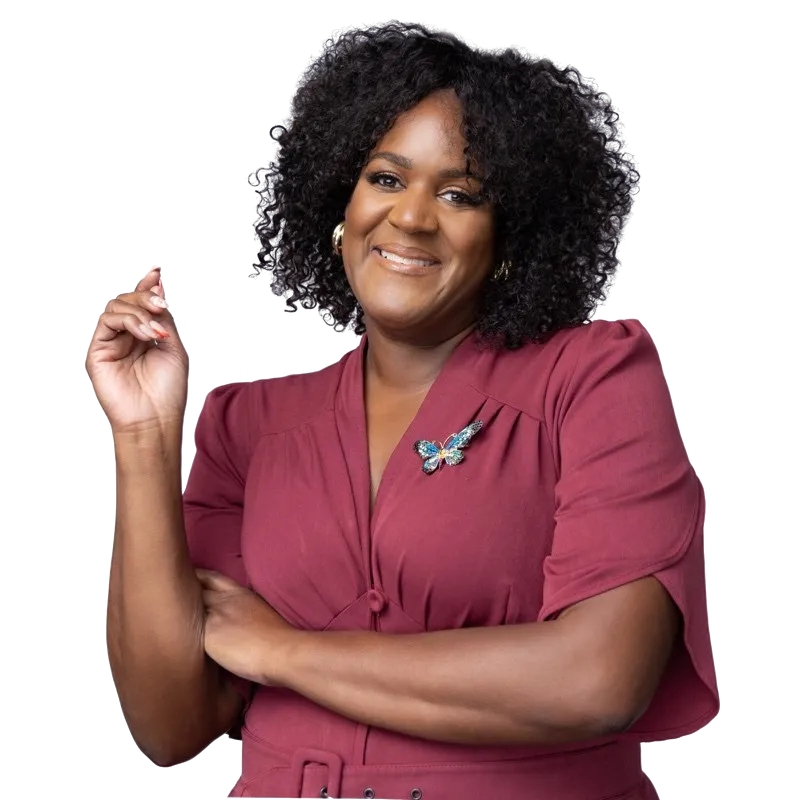
I founded Rubescent to make the infrastructure around talent visible. We work with institutions to turn that visibility into movement.
01 / Who we serve
They need people-centered systems that make trust actionable, infrastructure that holds talent through change, and ecosystems that sustain, not programs that expire.
01
Build the conditions that help public servants stay, grow, and lead.
02
Make talent pathways visible across classrooms, central offices, and leadership.
03
Align people, purpose, and operating systems around the work communities need.
04
Create durable infrastructure for teams doing essential work with limited room for drift.

02 / Founder snapshot
I am a strategic HR executive, organizational strategist, author, and ecosystem architect. Across 25+ years in public-sector leadership and institutional transformation, I have learned that talent strategy only becomes real when the system can carry it.
Rubescent brings that experience into partnership with leaders who are ready to change how people move through their institutions.
Read the founder story03 / The work
Rubescent helps institutions diagnose what is getting in the way, design what talent needs, and build the capacity to sustain the change.
01
See where talent loss is built into the system.
02
Shape people-centered systems and infrastructure that holds talent.
03
Build leadership capacity for equitable institutional change.
04
Move from insight to durable practice with the people doing the work.
04 / The proprietary theory guiding the practice
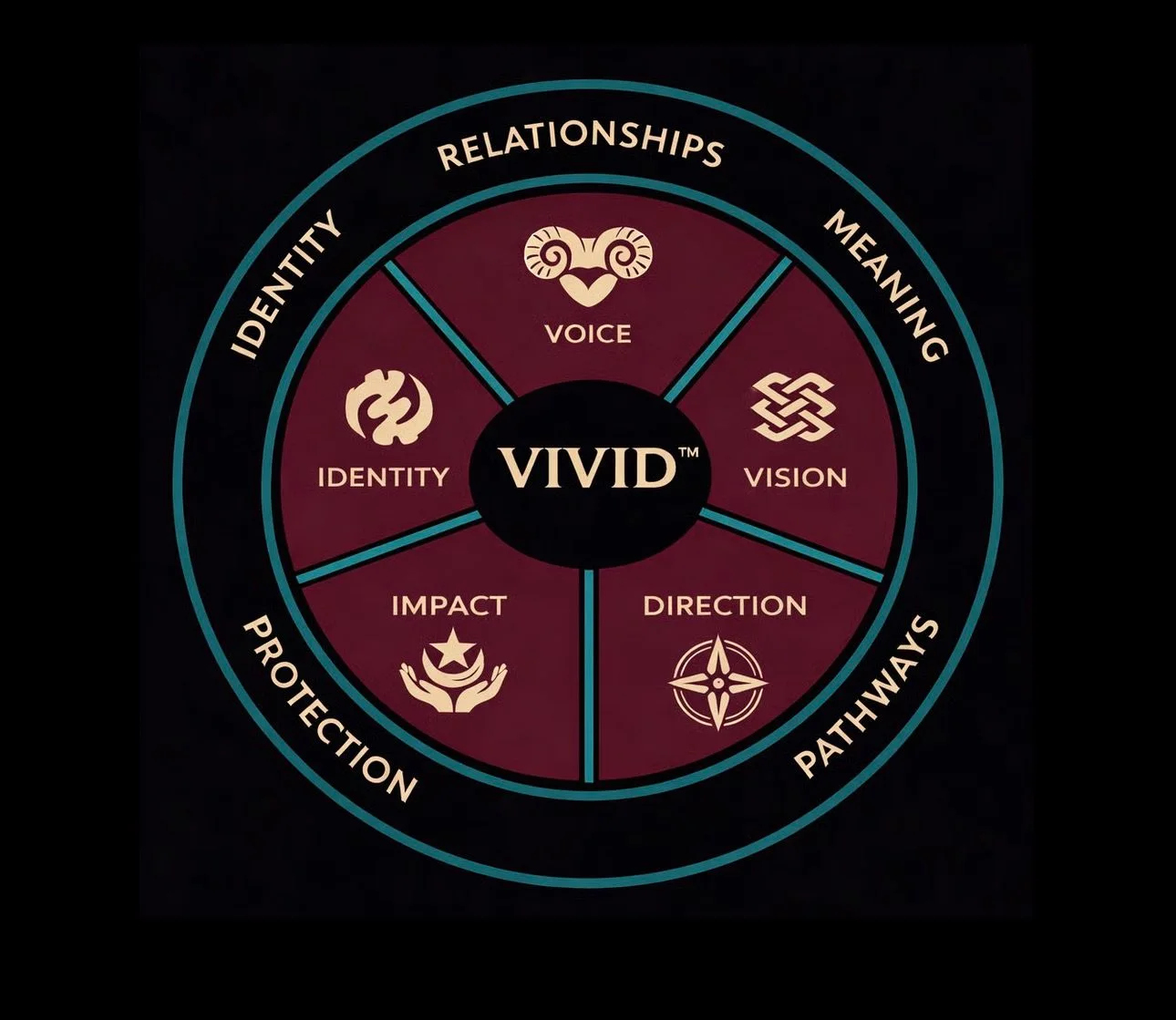
VIVID™ examines five leadership anchors, Voice, Identity, Vision, Impact, and Direction, alongside the structural conditions that shape whether those anchors hold.
The outer ring reflects what the environment must produce: relationships, meaning, pathways, protection, and identity affirmation. Leadership strength is not only personal capacity. It is also structural support.
05 / Insights
Writing and speaking from Dr. Keisha Scarlett on talent, governance, literacy, and systems change.
Visit Insights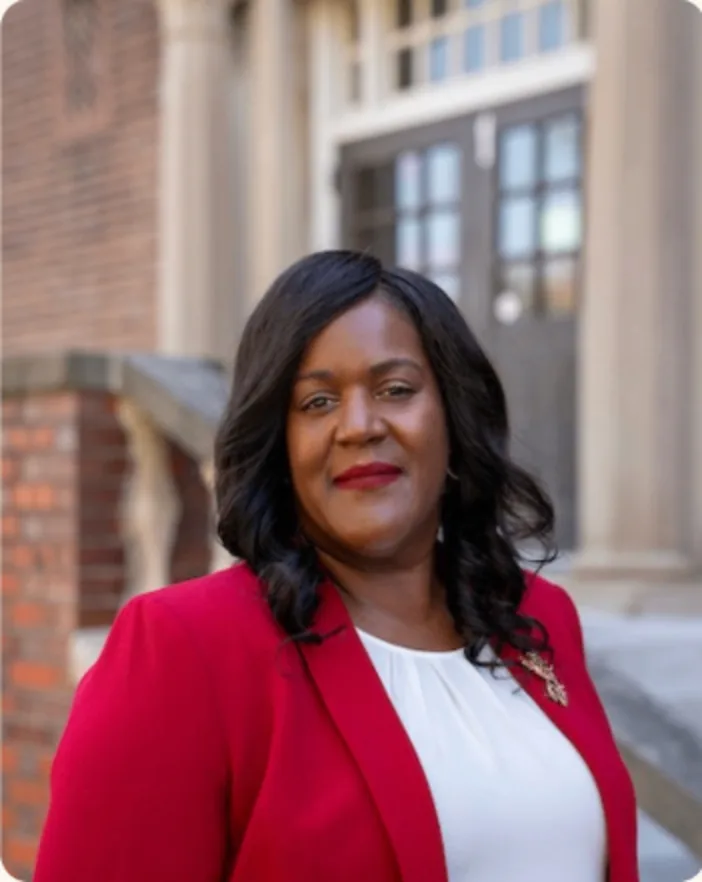
Featured perspective
What reform leaders must diagnose early, before optimism outruns operating reality.
06 / Start here
Tell us what your institution is trying to hold, change, or make possible. Start with the system around the talent.
Make an inquiry